
Quick answer
How should you clean the yard between foster dogs?
Treat the end of every placement as a reset. Clear the whole yard rather than the obvious spots, then wash the hard surfaces the last dog used most, before the next one arrives. In a Las Vegas yard that means the gravel, the turf seams and the shaded corners, and every medical question goes to the rescue's vet.
A backyard routine for fostering dogs is a different problem from a backyard routine for your own dog, and the difference is rotation. Every few weeks there is a new animal on the same ground, arriving from somewhere you did not see, with a history nobody wrote down. Las Vegas has a large and busy fostering community, and the yard is one of the quiet reasons people stop doing it. This is how to keep it from being that reason.
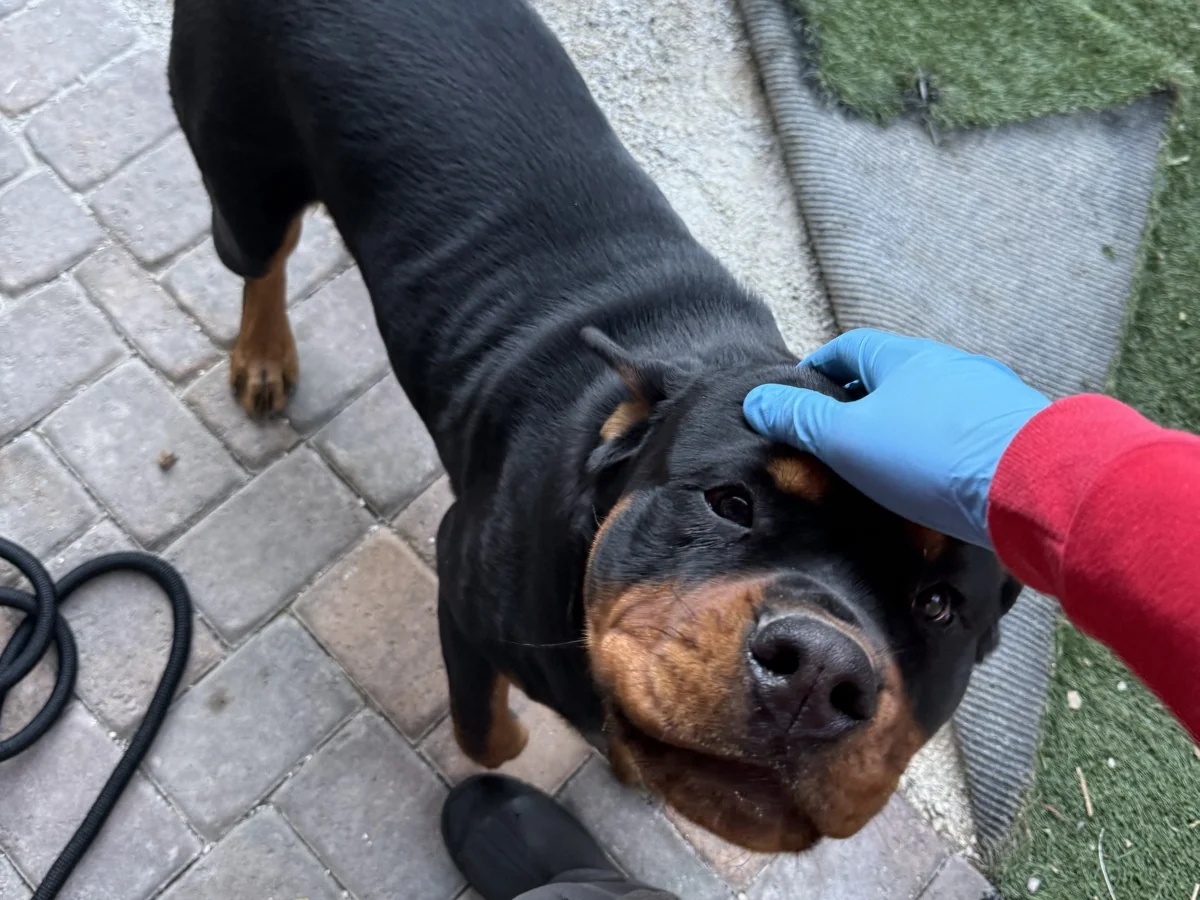
One boundary first. If you adopted the dog and you are working through the settling in period, the live post on a new rescue dog's first 30 days in the yard is the one you want. This post is about the dog who is passing through.
What Makes a Foster Yard Different
Three things, and they compound.
The dog changes. Not the routine, the actual animal, on a cycle you do not control. Every placement resets the habits, the size, the volume and the manners.
The history is missing. You get what the rescue knows, which is often honest and often incomplete, because nobody has full information on a dog who came in as a stray or a surrender. That is not a criticism of anyone. It is just the reality of the pipeline.
And the ground stays the same. Your yard is the one constant across every dog who comes through, which makes it the one place where a rotating household accumulates.
A New Dog Every Few Weeks, and a History Nobody Has
Because the history is thin, the useful posture is observation rather than assumption.
Watch where the new dog chooses in the first days. Fosters very often arrive with a spot preference already formed by wherever they were before, and it will not match where your dogs go. A dog who came from a kennel run may pick the hardest, most exposed surface in the yard. A dog who came from a house may look for grass that your yard does not have.
Watch the volume too, because it tells you what kind of week you are about to have. And then tell the rescue what you are seeing, especially in the first week. They have the medical file, they have the vet relationship, and the whole point of the arrangement is that you are not carrying the medical side alone. Anything that looks like more than an adjustment is their call and their vet's call, not something to sort out from a search bar.
The Reset Between Placements
The most useful habit in fostering is doing the reset on the day the dog leaves rather than the day the next one arrives.
The reason is simple: the departure day is calm and the arrival day is not. On arrival day you have a scared animal in a crate, a set of instructions, your own dogs losing their minds at the door, and no attention left for the yard.
A reset is not complicated. Clear the entire yard rather than the parts you can see from the patio, which means under the bushes, along the base of the block wall, behind the shed and behind the air conditioning unit. Then wash down the hard surfaces the last dog leaned on most, which in most Las Vegas yards is a patio slab and a strip of concrete by the door. Then walk the fence line and the gate latches, because the next dog will test both.
If a placement ended in a rough week, this is also the moment to get the yard back to zero rather than carrying it forward. A quote for a reset visit takes about a minute to pull and does not commit you to a routine.
Your Own Dogs Share the Same Ground
This is the part experienced fosterers think about most and new fosterers think about least.
Your resident dogs use the same yard, the same shade, the same corner. Whatever the yard is holding, it is holding for all of them. That is not a reason to stop fostering. It is a reason to keep the ground clear rather than letting it sit, because the ground is the shared surface in the house.
The live post on why a dog keeps getting worms from the yard explains how a place can keep handing something back to an animal, and it is the single most relevant read for a foster home. I am not going to re-explain it here. Read it once and it will change how you think about the reset.
And if you now have more dogs in the yard than you planned to have, the post on multiple dogs and yard waste covers what that does to the volume.
Stress, Food Changes, and a Rough First Week
Expect the first week to be the messiest week of the placement, and plan the yard around that rather than being surprised by it.
A foster dog arrives having lost everything familiar on the same day. On top of that, the food usually changes, sometimes twice, because the rescue sends one thing and your house feeds another. Stress and a diet change at the same time show up outside before they show up anywhere else.
What to do about it is short. Report it, do not treat it. Keep the yard clear more often that week, because soft waste on gravel or turf gets much harder to lift cleanly once it sits. And let the rescue's vet make every call about food, medication and timing.
What the Rescue's Vet Handles and What You Handle
Draw the line and it gets easier.
Theirs: vaccines, deworming, quarantine, medication, diet, anything about whether a dog should be around your dogs. Yours: a clear yard, clean water, shade, a latched gate, and honest reporting.
That division is not me being cautious. It is what makes a foster home sustainable, because the fastest way to burn out is to start carrying decisions that belong to somebody with the medical file.
Keeping the Yard From Being the Reason You Stop
People do not quit fostering because they stopped caring about dogs. They quit because of logistics. The transport, the meet and greets, the paperwork, the vet runs, and the endless small maintenance of a house that keeps changing occupants.
The yard is one of the pieces on that list, and it is one of the few that can be handed to somebody else without changing anything about how you foster. Same is true if you are boarding dogs for pay rather than fostering, which is a different arrangement with the same yard problem, covered in the post on home dog boarding and the backyard.
If you want the yard off your list, that is what I do.
Keep fostering. Let the yard be somebody else's job. Get an instant quote, or call or text (725) 200-2028, Monday through Friday, and tell me your dog count moves around.
Get my instant quoteEvery visit is one of the standard scooping and sanitizing services, done by the same person on the same weekday, waste double bagged into your own bin on site, gate latched, and photos of the finished yard sent before I leave.
Common Questions
How do you clean the yard between foster dogs?
Clear the whole yard, not the visible parts, then wash the hard surfaces the last dog used. Do it the day the placement ends, not the day the next dog arrives.
Do foster dogs need a separate area from my own dogs?
Ask the rescue and their vet. Whatever they say, the ground is shared once both dogs use the yard, so keeping it clear is the part you control.
Why does a foster dog's stool change in the first week?
Stress and a food change usually land together. Report what you are seeing to the rescue instead of changing anything yourself.
How often should a foster home get the yard cleaned?
More often than the same yard needed before you started, because the dog count moves and arrival weeks are the heaviest.
Can someone else clean the yard while I am fostering?
Yes. Pricing depends on dog count, yard size and frequency, so the quote form is the quickest way to see what a rotating household looks like.
Want your exact monthly price for this yard? The quote form takes about 60 seconds.
Get my free quote