
Quick answer
Do you scoop large acreage yards with dirt and gravel?
Yes, acreage scoops differently. Waste gets lifted cleanly out of loose dirt and decomposed granite rather than dragged, because dragging works it into the top layer where nothing comes back out. On a Lone Mountain parcel most of the visit is walking and looking, since dogs use the whole property and no far corner is visible from the patio.
If you are looking for a pooper scooper in Lone Mountain, the first thing to know is that this pocket of northwest Las Vegas does not scoop like the rest of the valley. Most of the blog posts you will find about dog waste in Vegas are written for a tract backyard: a patio, a turf strip, a rock border, block walls on three sides. Lone Mountain is full of properties that are nothing like that. Bigger parcels, long stretches of natural dirt and granite, RV pads, and in some pockets horse zoning. The work is the same work. The scale and the surface are completely different.
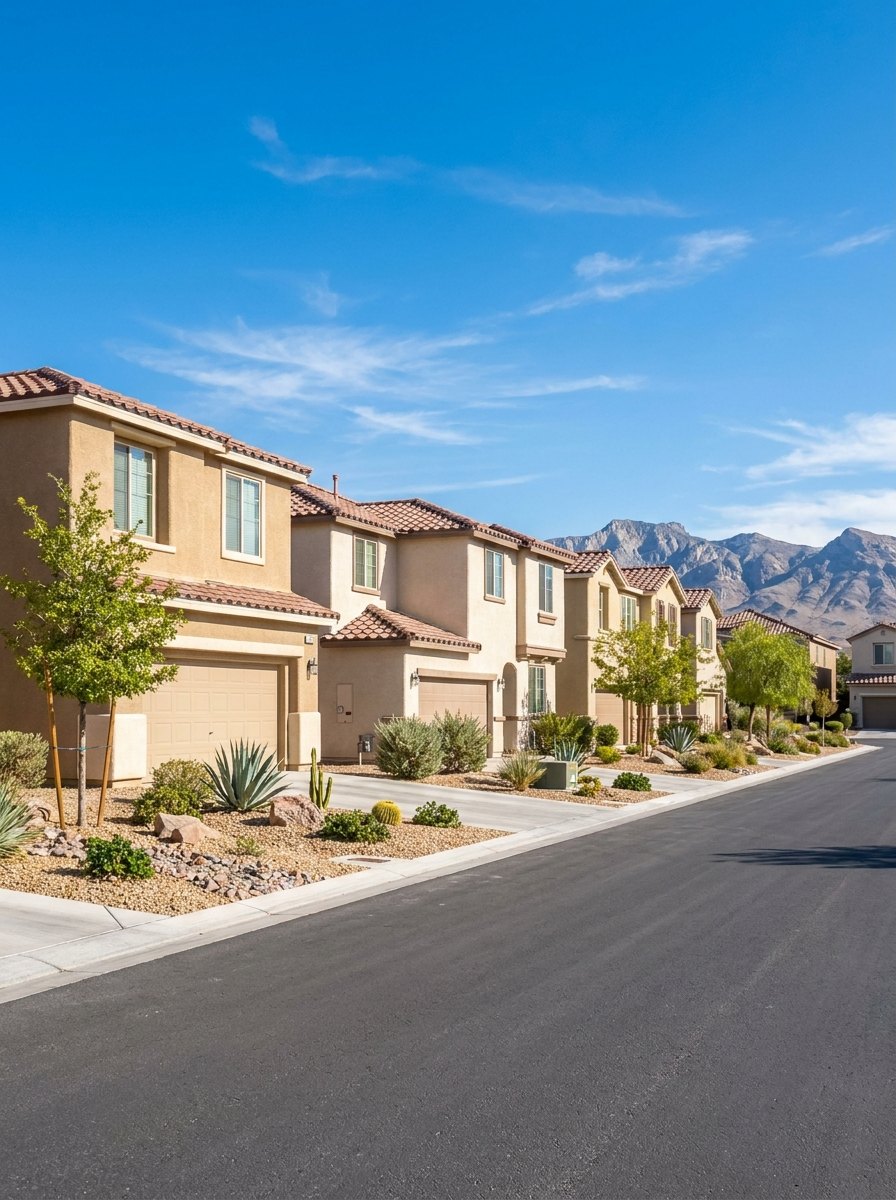
What Makes a Lone Mountain Lot Different
Lone Mountain sits in the northwest, around the hill it is named after, and the lots get noticeably larger as you move away from the newer subdivisions. Plenty of homes here sit on a third of an acre, a half acre, or more, with zoning that allows animals and equipment a standard neighborhood would never permit.
That changes four things at once:
- There is more ground to cover. A scooping visit is a walking job. Double the usable ground and you roughly double the walk, no matter how many dogs live there.
- The surface is rarely uniform. One property can hold a turf patch by the patio, a gravel apron, a long dirt run along the fence line, and a graded area for a trailer or a truck.
- Dogs range further. A dog with a half acre does not choose one corner. It uses the whole property, which spreads waste out instead of concentrating it.
- Nothing is visible from the patio. On a small lot you can see every pile from the back door. Out here you cannot, and that is exactly how a yard gets away from an owner who genuinely intends to keep up with it.
Big Lots Take Longer and Hide More
The honest version of large-lot scooping is that most of the time is spent walking and looking, not picking anything up. On a compact yard, the piles are where you expect. On acreage they are along the back fence, under the shade of a mesquite, behind the shed, at the far edge where the graded dirt meets the natural desert.
Dried waste is the part that catches people out. In this climate, waste dries fast, and once it dries it stops behaving like a solid. It breaks apart, it works into loose granite and dirt, and wind moves the residue around. On a small yard you notice that as a smell near the patio. On a big lot you do not notice it at all until the whole back half of the property has a low, dusty odor on a hot afternoon and you cannot point to a single pile that caused it.
That is the real argument for a schedule on a large property. It is not that the yard looks bad after one week. It is that the waste you miss on a big lot never gets found later, it just becomes part of the ground.
Dirt, Gravel, and Horse Property Yards
Surface drives the method more than square footage does.
Natural dirt and decomposed granite
Loose ground takes patience. Waste has to be lifted cleanly rather than dragged, because dragging pushes material into the top layer where nobody can get it back out. Wind and sun work against you here, so timing matters: fresh waste comes up whole, and waste that has baked for a week often does not.
Decorative rock and gravel
Rock is its own problem and it deserves more space than a section here. If most of your ground is landscape rock, the detailed method is in the post on cleaning dog waste out of rock and gravel landscaping, which covers what stays behind in the rock layer and why hosing it down makes the situation worse rather than better.
Animal areas and equipment pads
On the properties zoned for horses or livestock, I am there for the dogs. Dog waste in the dog areas, the yard, and the walked ground. Anything to do with livestock, stalls, or manure management is a different trade and I will tell you that straight rather than pretend otherwise.
How Often a Large Lot Really Needs Service
People with acreage often assume they need service less often, because the waste is spread out and nothing looks concentrated. In practice, the frequency question comes down to the same three inputs everywhere in the valley: how many dogs, how much ground they actually use, and how much of the property you want kept clear.
Two patterns are common up here. The first is a homeowner with one or two dogs who wants the entire usable property covered on a steady schedule, which usually means weekly. The second is a homeowner who wants the areas near the house, the patio, and the dog run kept tight, with the far ground covered on a longer rotation. Both are reasonable. The second one is cheaper because it is less ground, and I would rather set that up honestly than quote you for a full acre you do not need walked.
The thing I would push back on is skipping the far ground forever. That is where the buildup goes unnoticed, and it is the part that eventually needs a long catch-up visit instead of a normal one.
If you already know roughly how much ground you want covered, the fastest way to get a real number is the instant quote form. It asks about dogs, yard size, and frequency, and it prices a big Lone Mountain parcel differently than it prices a small backyard, because those are genuinely different jobs.
What Every Visit Includes and How Photo Proof Works
Every visit follows the same shape, whether the property is a quarter acre or considerably more:
- A full walk of the agreed area, including the fence lines and the shaded spots dogs actually favor.
- Waste bagged and placed in your own trash bin on the property. Nothing is left in the yard, nothing is left at the curb.
- Gates latched behind me and photographed, which matters more on a large property with animals than it does anywhere else.
- Finished-yard photos sent to you at the end of the visit.
Photo proof exists for exactly this situation. On a lot where you cannot see the far corner from the back door, a text with photos is the difference between trusting that the work was done and knowing it was. It is also the reason nobody has to be home. I am one person running my own routes, so the person who shows up in Lone Mountain this week is the same person who shows up next week and already knows where your dogs go.
Getting Started in Lone Mountain
Lone Mountain is part of the wider Centennial Hills and northwest service area. If you want the general northwest picture, including the newer subdivisions south and east of here, the post on pooper scooper service in Centennial Hills covers the tract-lot version of this same neighborhood. This post is the acreage version: more ground, looser surfaces, and dogs that use every bit of it.
There are no contracts. Service days are Monday through Friday, and if the schedule stops fitting your life you change it or you stop.
Want a real number for your Lone Mountain property? Tell the quote form how many dogs you have, how much ground you want covered, and how often you want me out, and you will have a price in about a minute. If your lot is unusual and you would rather talk it through first, call or text (725) 200-2028, Monday through Friday.
Get my free quoteCommon Questions About Scooping in Lone Mountain
Do you cover Lone Mountain?
Yes, as part of the northwest route alongside Centennial Hills, including the 89129 area. Service days are Monday through Friday.
Does a big lot cost more?
It is priced on the ground that actually gets walked, plus dog count and frequency. A half acre takes longer than a tract backyard, and the quote reflects that instead of a flat neighborhood rate.
Can you work a dirt or granite yard?
Yes. Waste gets lifted out rather than dragged. Fresh waste comes up cleanly, dried waste that has already broken into the top layer generally does not, which is the case for a steady schedule.
Do I have to be home?
No, as long as the gate is reachable. It gets latched behind me and photographed.
What happens to the waste?
Bagged and placed in your own trash bin on the property before I leave.
Want your exact monthly price for this yard? The quote form takes about 60 seconds.
Get my free quote